
Loan origination has evolved from a paper-heavy, weeks-long process to a digital-first experience where borrowers expect instant decisions and transparent communication. As borrowers become accustomed to real-time digital services, expectations around speed and transparency are reforming lending standards. The global digital lending platform market was valued at USD 10.55 billion in 2024 and is projected […]
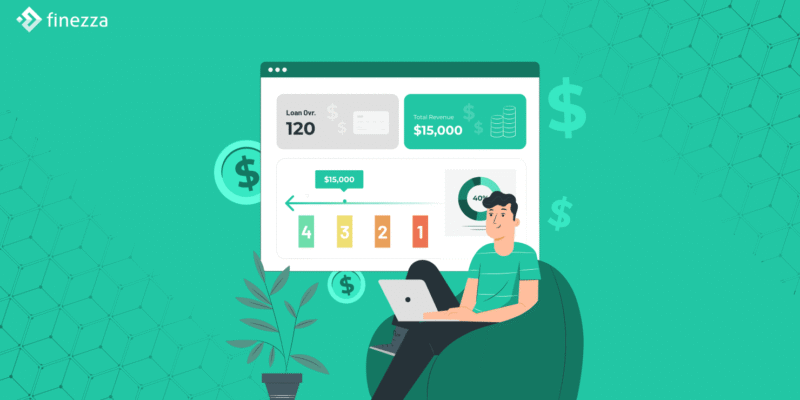
How Loan Origination Systems Streamline the Four Stages of Lending
We cannot discuss digital-first loan origination systems without commenting on India’s commercial loan portfolio, which expanded by an impressive 17.8%, reaching ₹64.1 trillion in the financial year (FY) 24. Additionally, while Medium and Small Enterprises (MSME) loans witnessed a 13.9% year-on-year (Y-o-Y) growth between FY 2020 and 2023, individual loans grew by 13.5% Y-o-Y in […]

Alternative Credit Scoring in India: Expanding Financial Inclusion
Financial inclusion has emerged as a significant opportunity for lenders in India. As of December 2024, World Bank data estimated that India’s credit-eligible population, comprising consumers aged 18 to 80, stood at approximately 1,036 million. However, only 27%, or approximately 277 million consumers, utilised formal credit facilities. Approximately 451 million Indians have limited or no […]
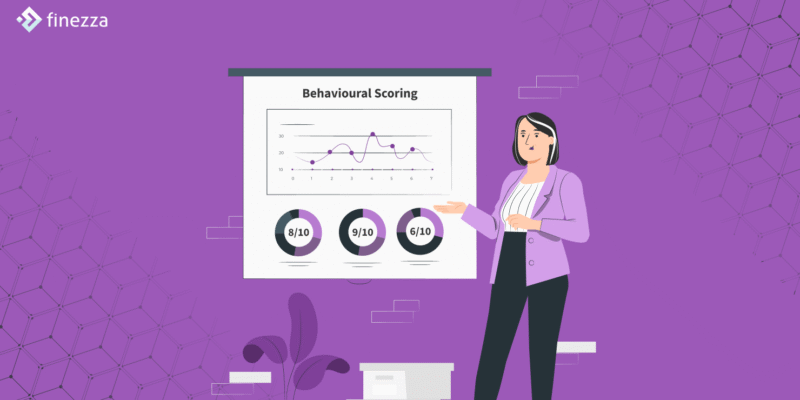
Behavioral Scoring: The Smart Approach to Line of Credit Risk Management
In 2022, around 160 million people in India were credit-underserved. One reason for this is the overreliance on traditional scoring models, which typically consider parameters such as payment history, debt-to-income ratio, and length of credit. However, traditional credit scoring models do not account for an individual’s lack of credit history or other important parameters, including […]
AI-Powered Credit Underwriting: The Four-Step Approach
The adoption of AI in the credit underwriting process is expected to be one of the most significant changes in the lending sector over the coming decade. The technology spend on AI systems in the lending sector, for instance, is expected to increase from $11.7 billion in 2021 to $27.7 billion in 2025. One of […]

The Tangible Benefits of Implementing Advanced Loan Origination Software
Traditional loan origination processes, plagued by manual bottlenecks, delayed approvals, and regulatory risks, cannot keep up with increasing demand. The need for a significant transformation is evident. The Loan Origination Software (LOS) can be that. It automates loan workflows, improves accuracy, and ensures compliance with changing financial regulations. With digital lending in India expected to […]